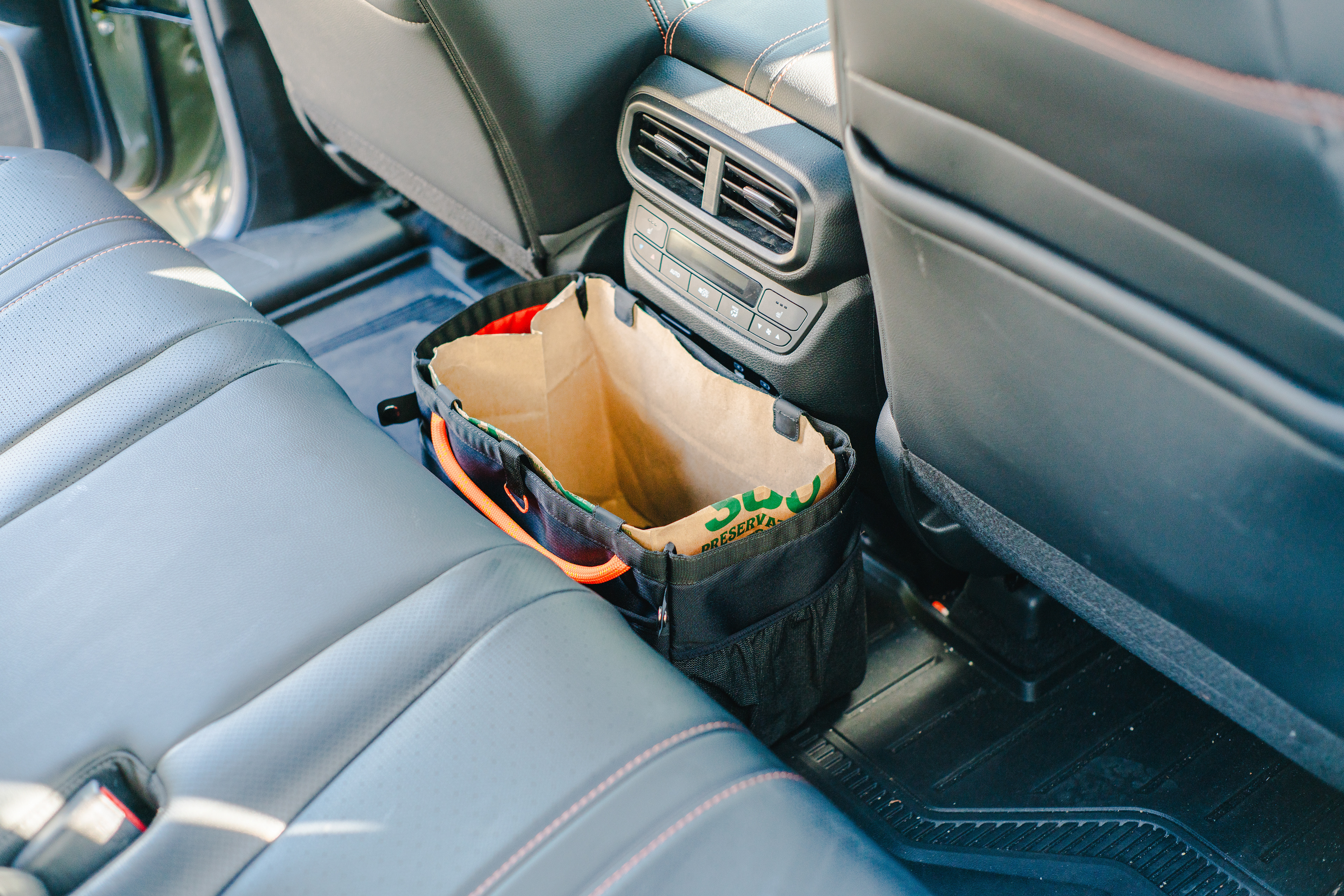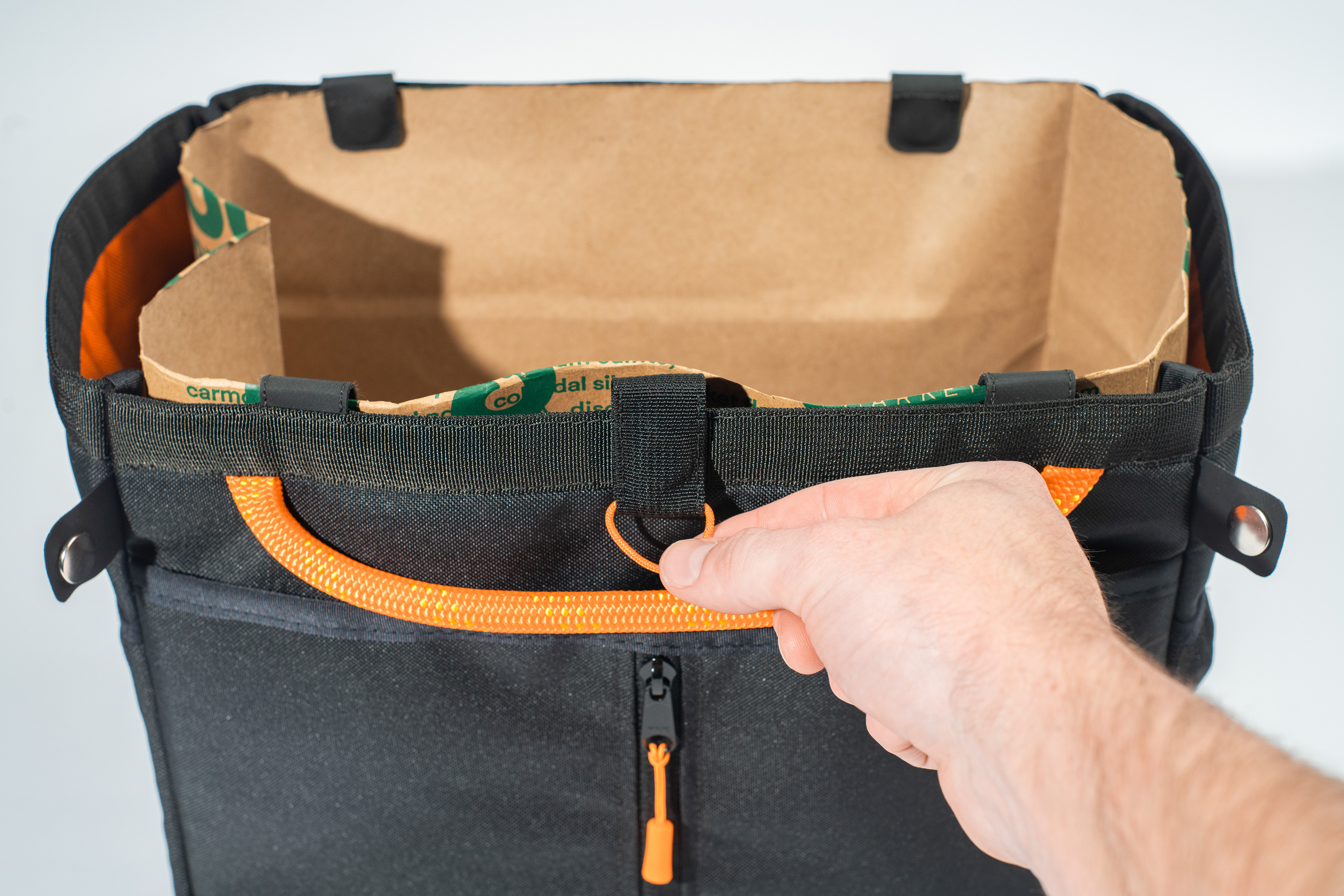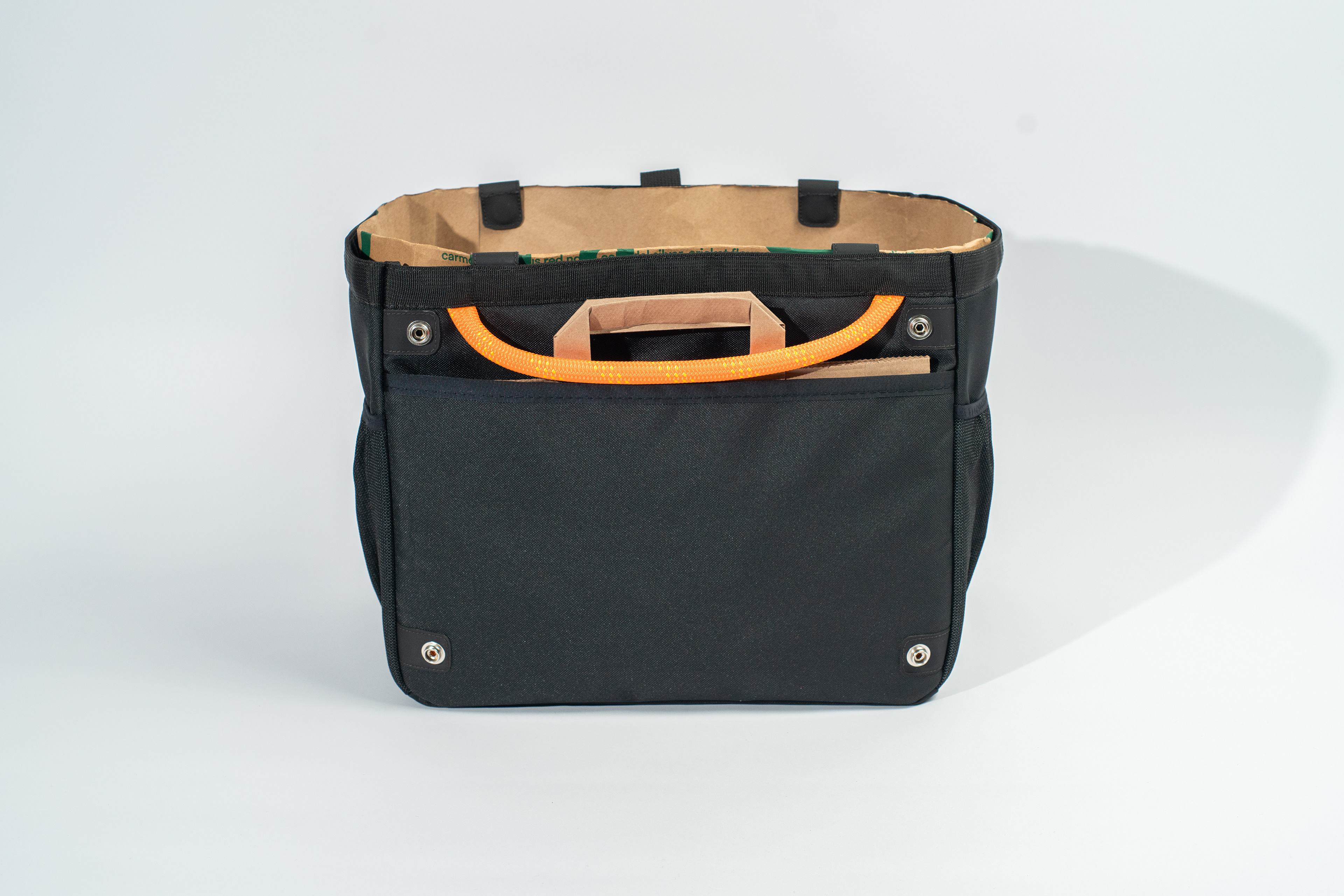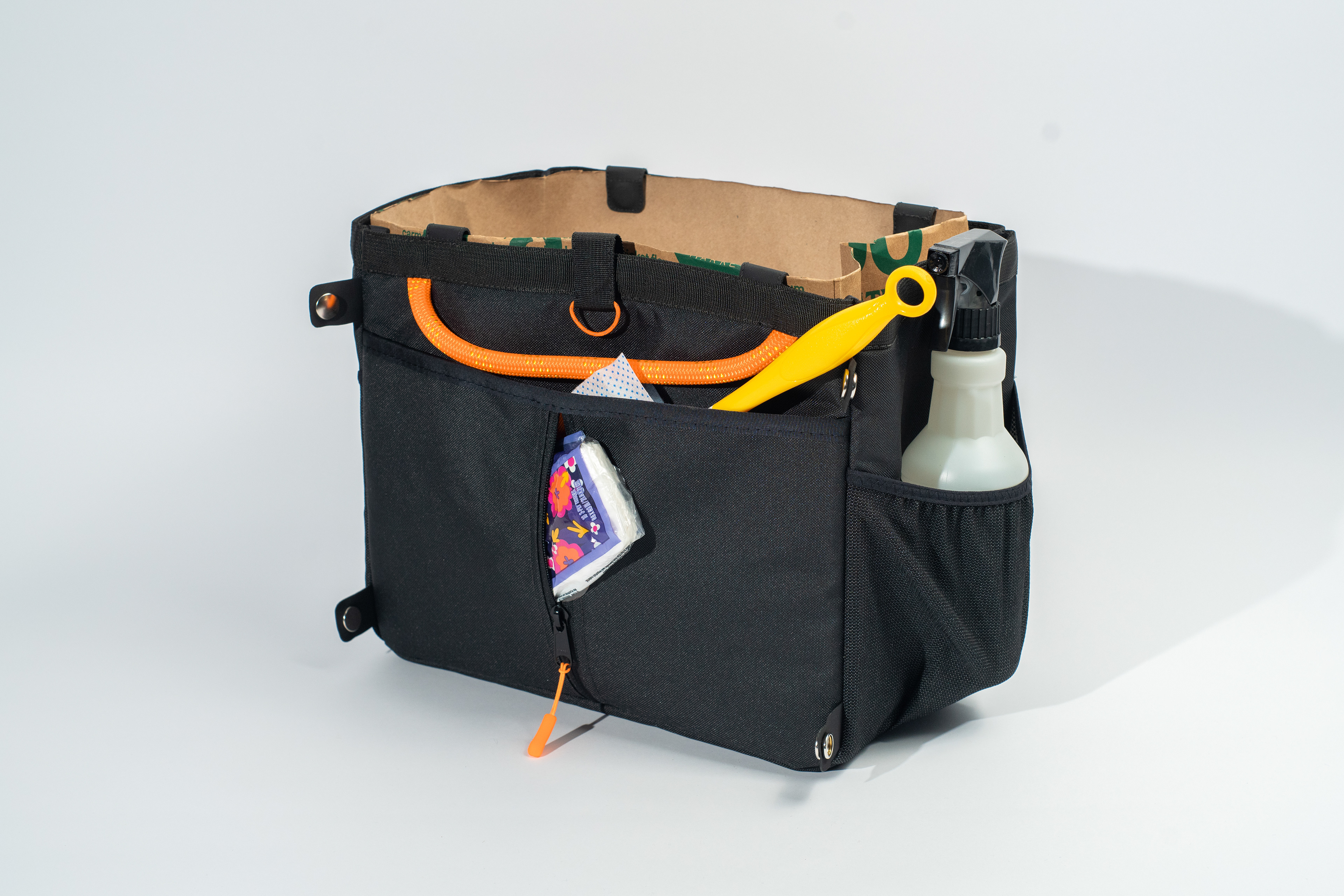

The CabDrop is a structured vehicle trash bin for road trippers, over-landers and explorers. With several unique features, this waste bin has more to offer a loose paper bag or generic car bin. Utilizing a combination of unique outdoor gear inspired aesthetics, user forward features and room for much more than waste, the CabDrop is a hub for all things vehicle interior hygiene.
Market reaserch

After reviewing the popular options on the market, I chose 3 separate waste/trash solutions to investigate.
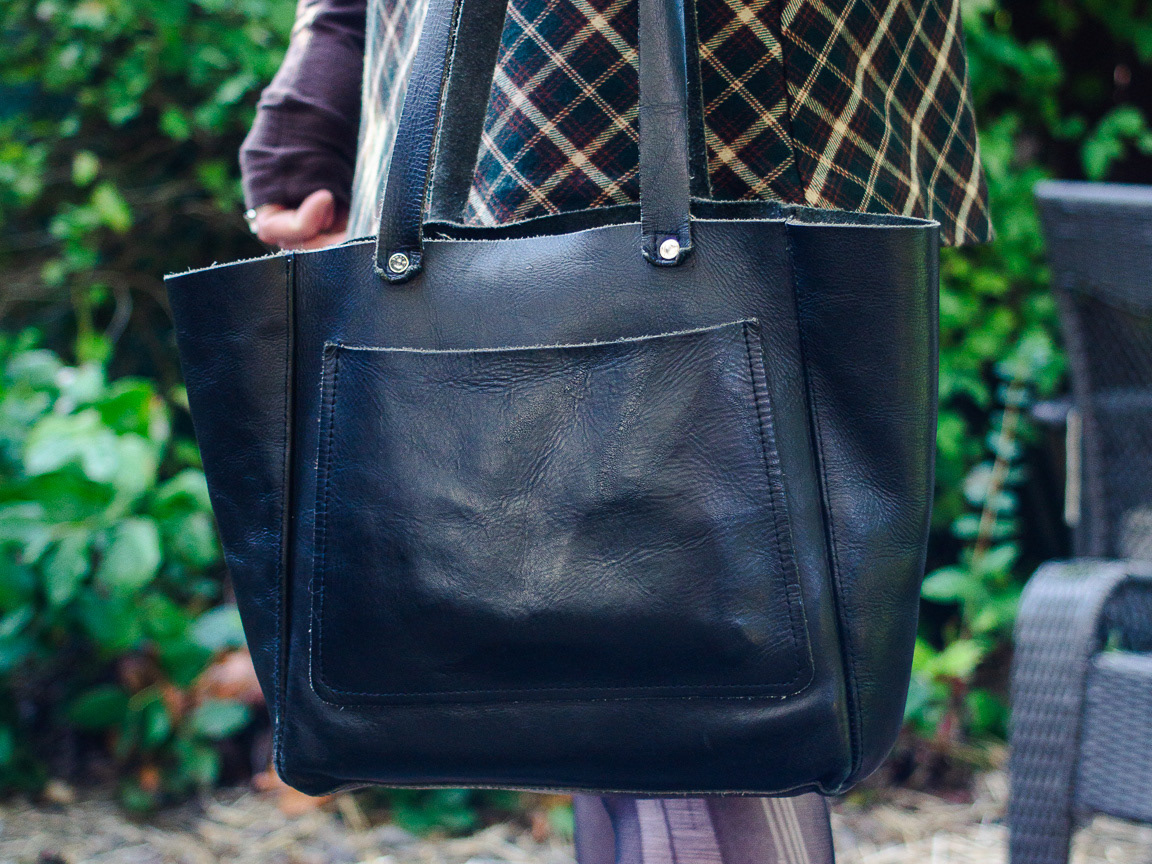
The Lusso: users talked about the build quality and functionality as it offers more external storage than most BUT as I found, lacked the ability to be placed behind the rear seats without risk of tipping. That lack of functionality leads to a somewhat annoying ride for the passenger, feeling the bin bumping back and forth.
The ONWRD: users praised the aesthetics and and durability. In person it is relatively small as its designed to work with in conjunction with the rest of their behind the seat storage panel system. I appreciated the design and durability of this solution but it would not fair well as a standalone product in my option.
Overland gear guy: This was a favorite from the overland community (part of the target demographic for the CabDrop). It features more room for activities (trash) than most of the other solutions on the market but I felt that it could use a bit of help in the beauty and external storage department.
CMF, Features, Form
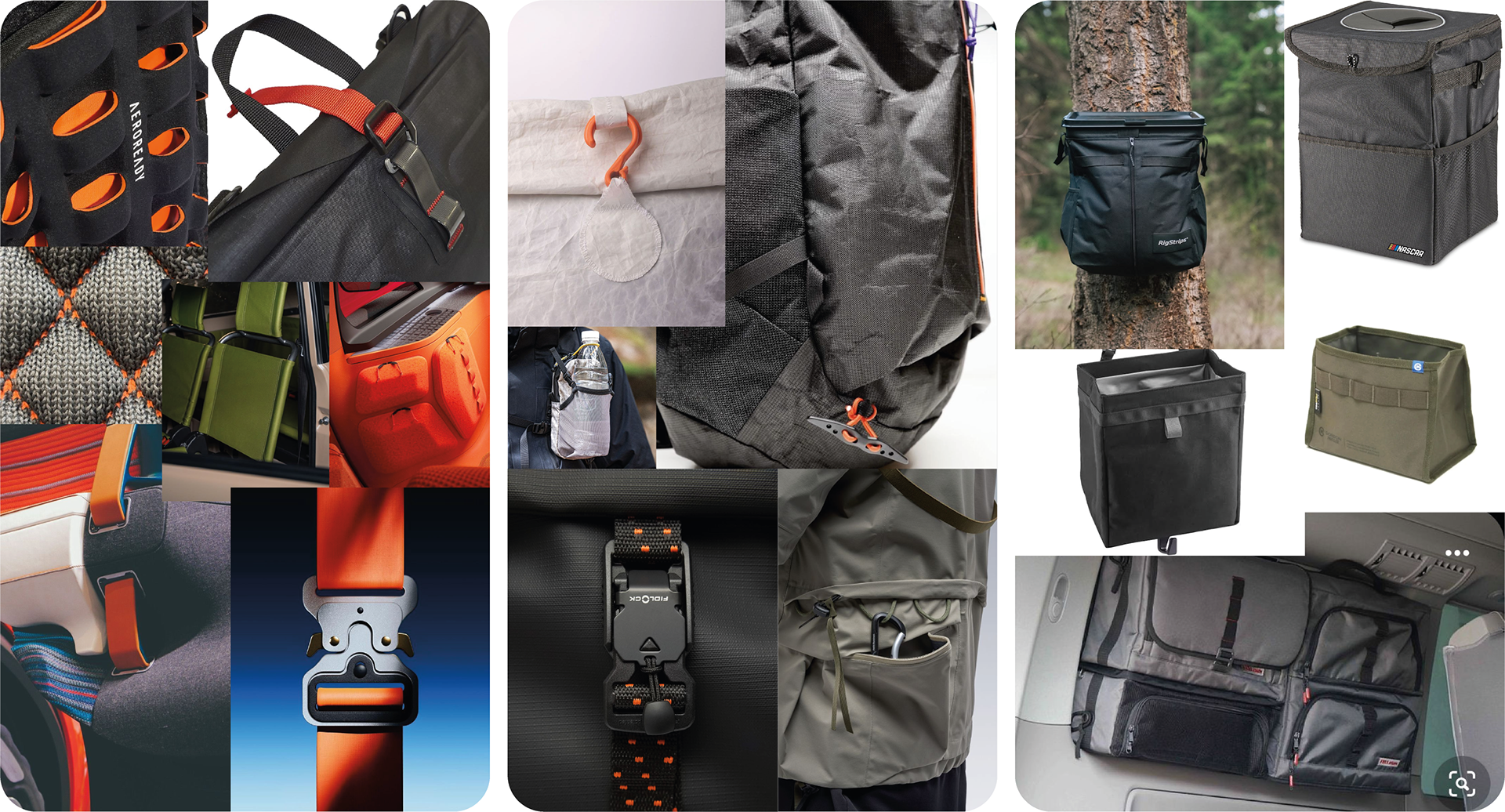
Using 3 separate Moodboards, I assembled the CMF, Features and Form inspiration that would match the overland/off-road community well.
Contrast dominated the CMF board, a simple way to elevate the feel of the CabDrop through eye catching splashes of orange. I also knew at the time that using a bright orange liner would help visibility in darker conditions.
The features and form reflect simple but engaging ways to interact with the CabDrop. Magnetic fasteners, interesting patterning, solid and well balanced form.
Initial concepts
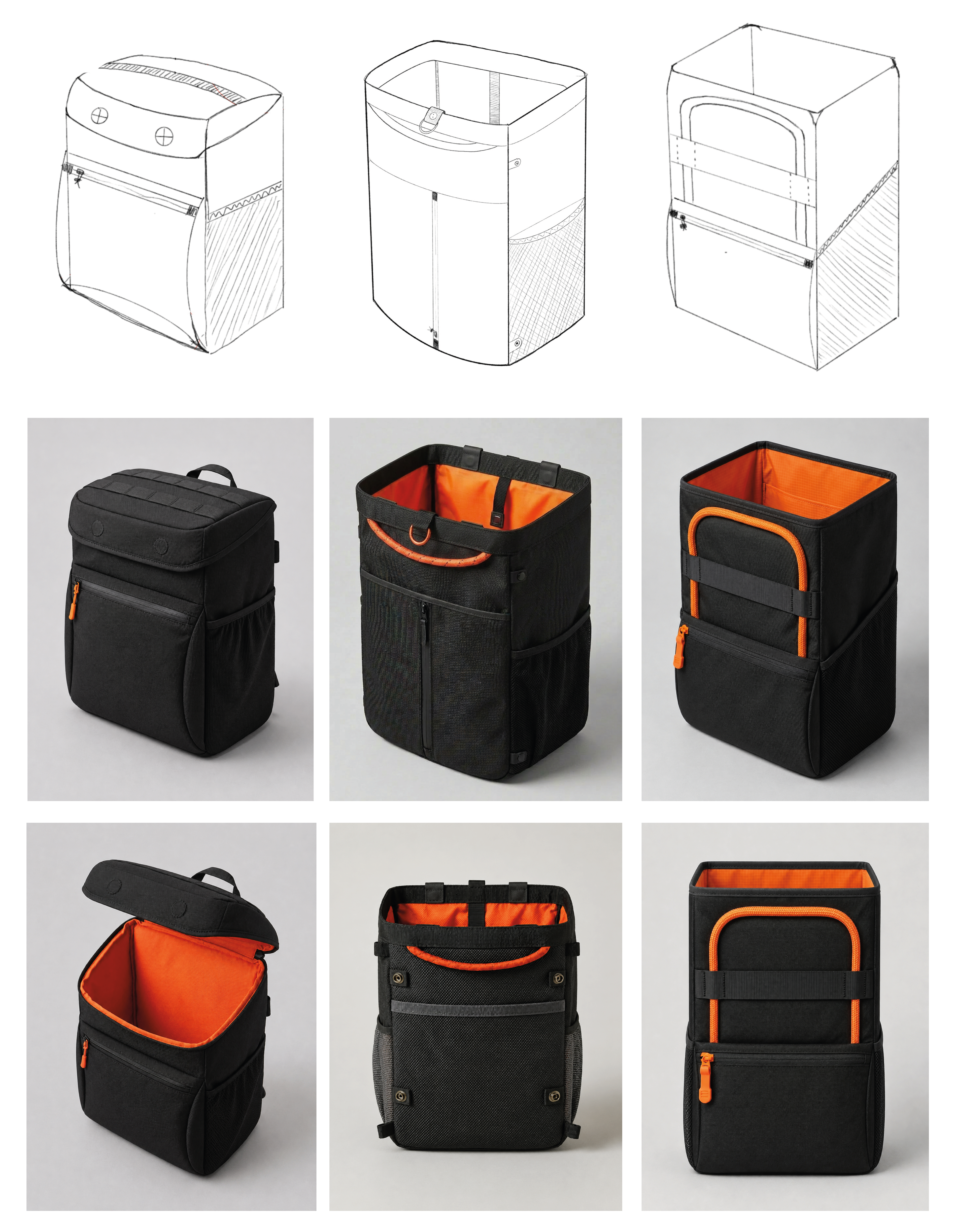
Starting with a generally rectangular form I explored 3 main concepts for the Cabdrop; During exploration I thought of a way to utilize old paper grocery bags as liners. Something I had seen my dad do for years was use grocery bags as a trash can in his car.
The first concept; utilizing a rounded lid, half moon paneled front storage pocket and an angled entry. Aesthetically this concept is similar to the ONWRD but with increased volume and more external storage.
The second concept; featured more external functionality, a system to lift the liner with ease, a heavy climbing rope accent as the handle and an open top for ease of access.
The third concept; combined some elements of the first two with the climbing rope handle, half moon panel front pocket and mesh side pockets.
I chose to pursue the 2nd option as the Idea of utilizing the grocery bag as the liner felt worthwhile to explore. That concept does not feature a lid, this is purposeful. The bin is for your car, leaving wet, or rotting items in even an enclosed bin within your vehicle is a bit gross to me.
The functionality is for old soda cans, chip bags, used air freshener, wipes ect...
Final concepts
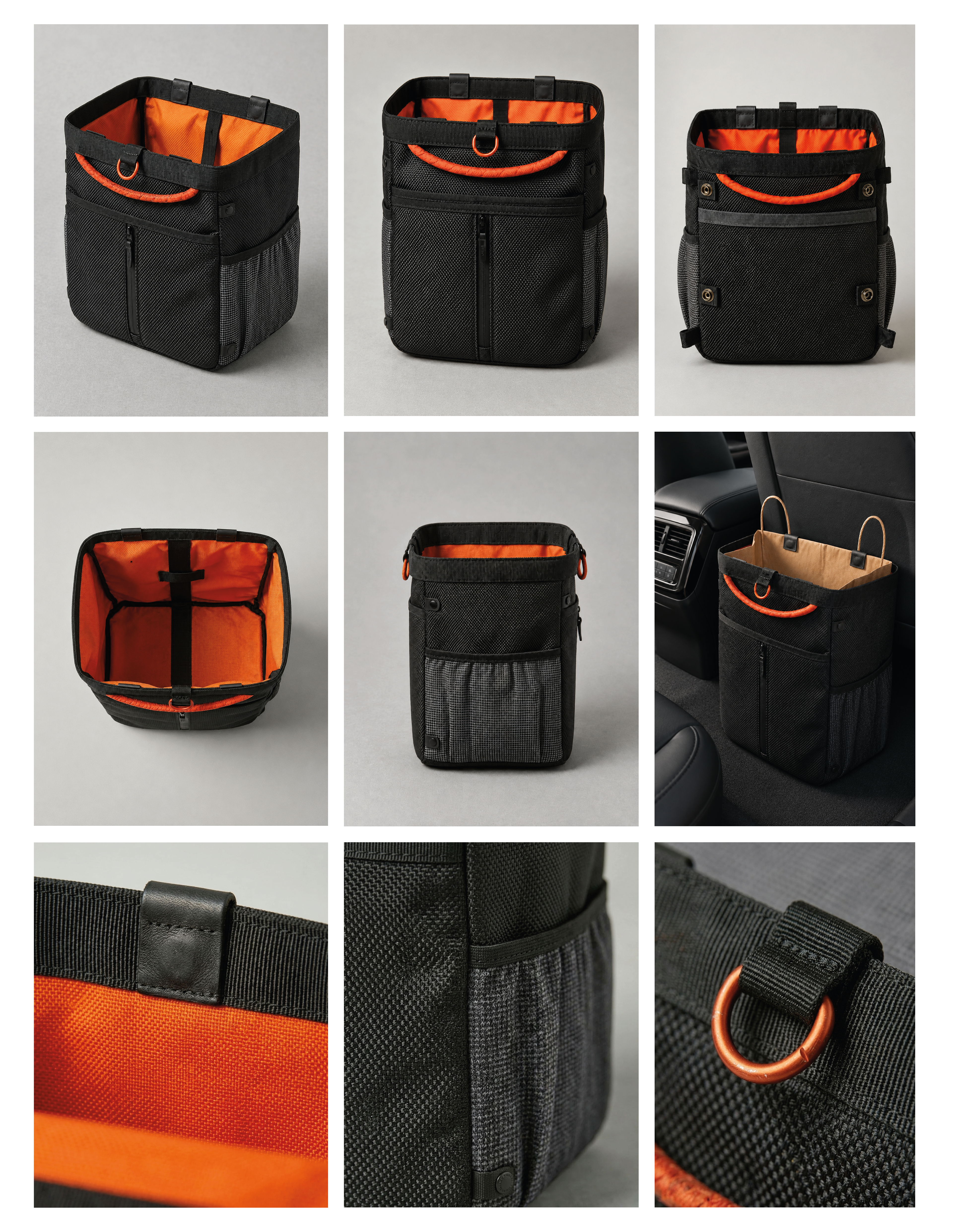
The final concepts for the Cabrop were done using Vizcom.
The results when paired with the understanding of soft goods construction is quite powerful and allowed me to flush out my ideas in much higher fidelity in a shorter time span then ever before. All decisions were intentional and I did not simply accept the output of the prompts used.
It was a tool I used to translate what was in my head into the closest visual representation of what I wanted the final product to look like and as you will see the resemblance between these concepts and the final product are uncanny!
Vizcom workflow
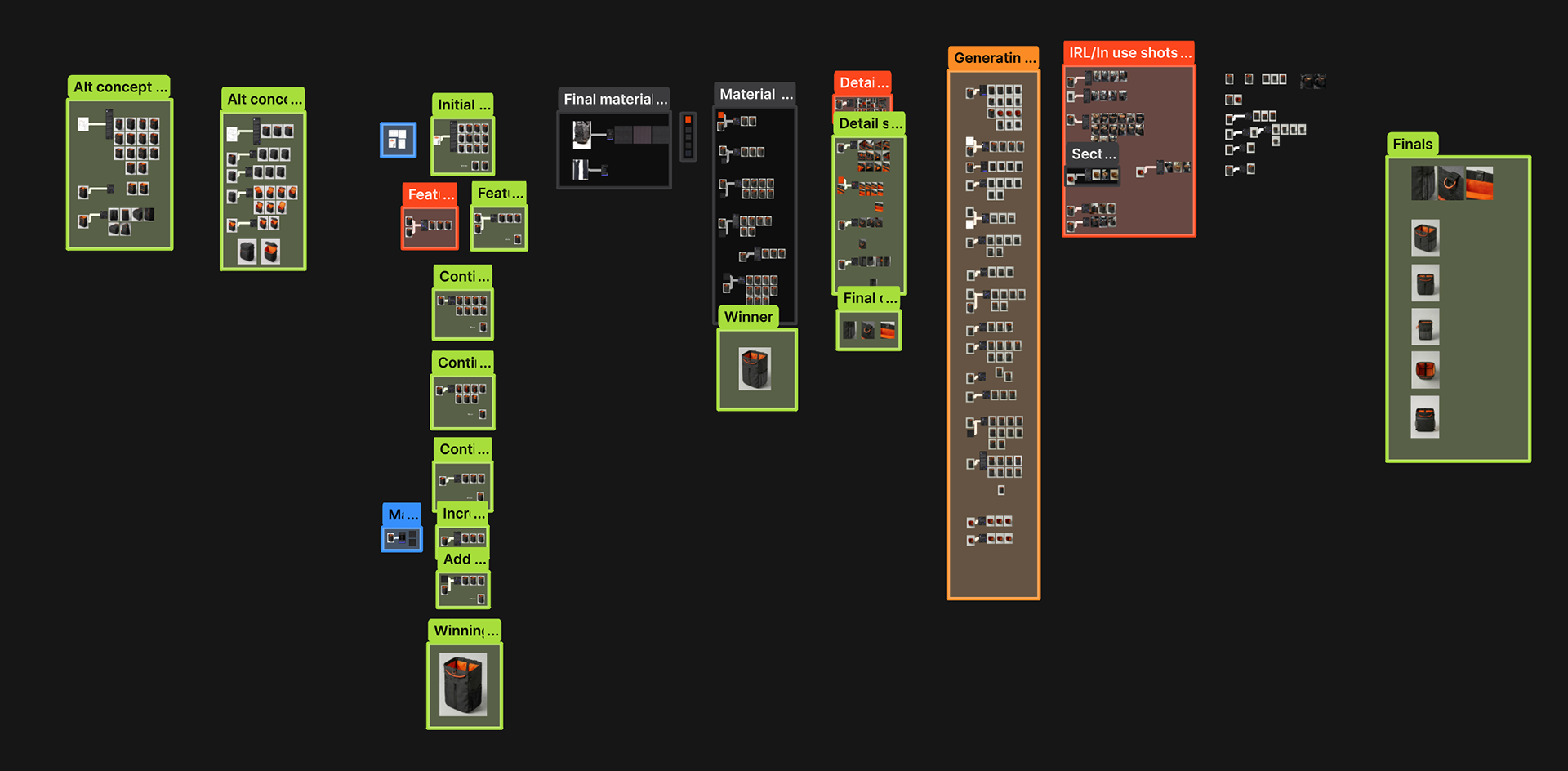
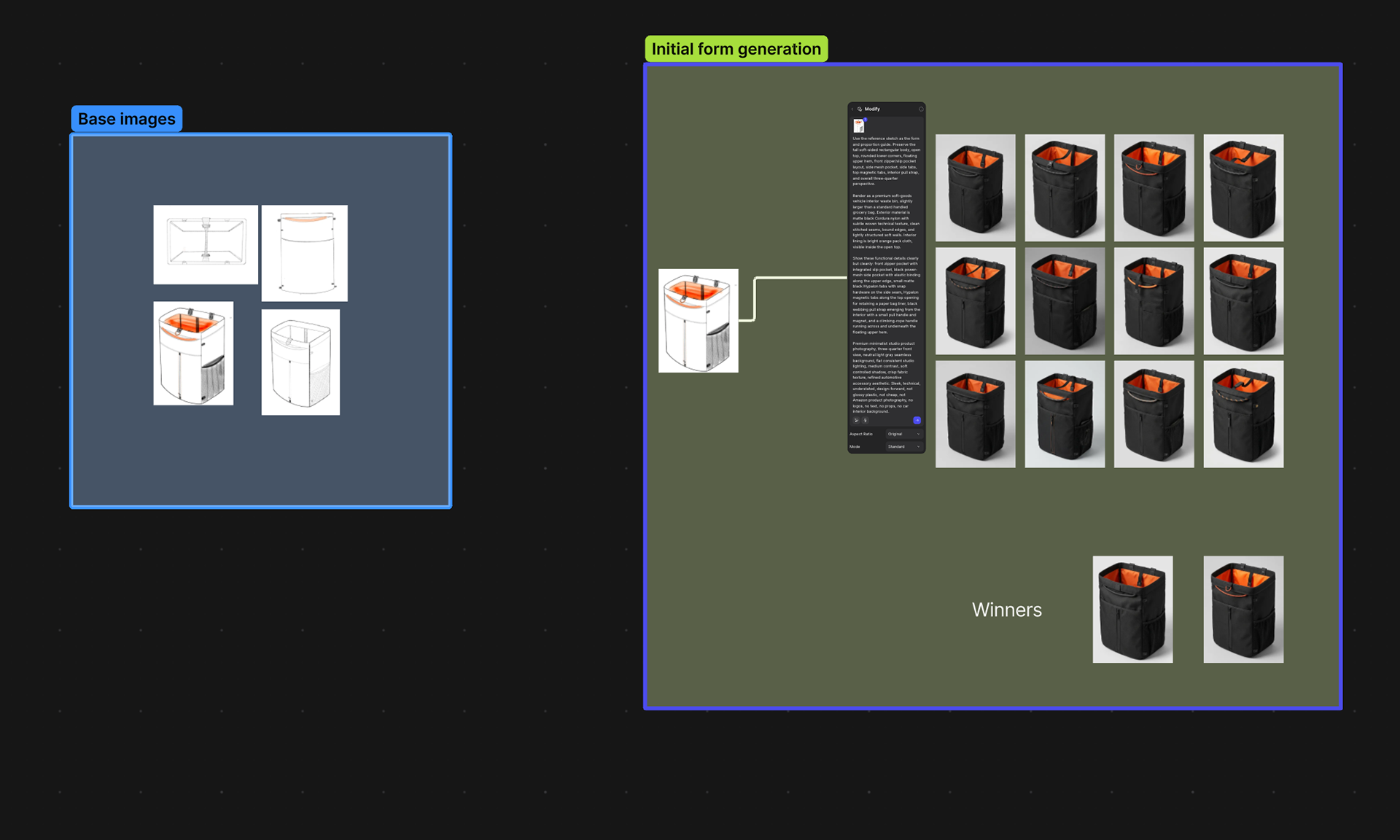
Here is a bit more on the Vizcom process;
Using my intital concept sketches I prompted the model to create the initial lifelike images.
Using different prompts-going from chatGPT to Vizcom, ect... I refined the images until the features looked correct from a construction and material standpoint.
I then used material extraction, material application, multi view generation and detail view generation to create all of concept images above based from the initial one.
I tried to simulate what it would look like in a vehicle with the paper liner but it failed to do so without the telltale AI artifacts and clipping. For the in car generations I used chat GPT.
Pattern Development
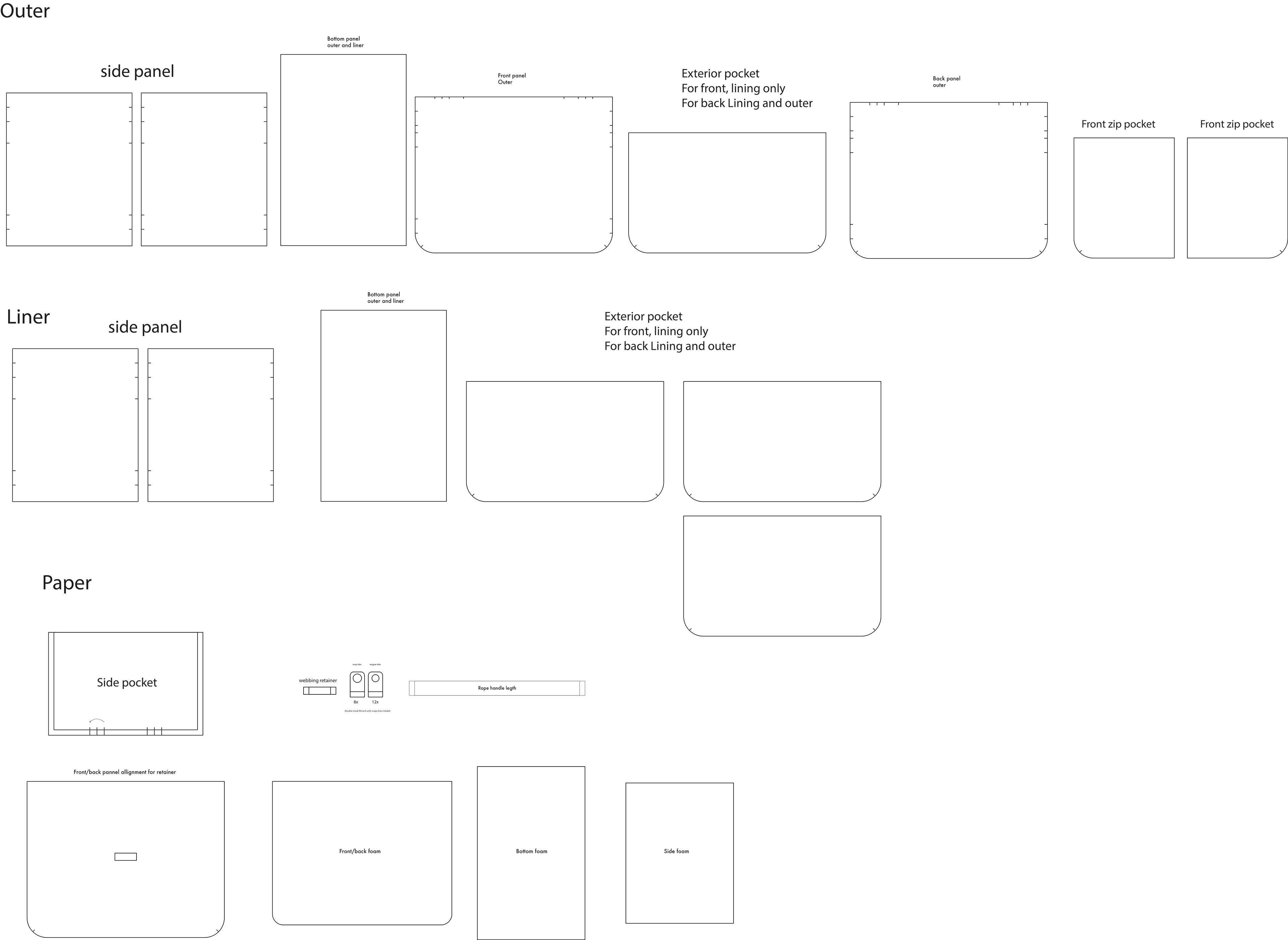
I made the pattern in adobe illustrator at 1:1 scale, using the base dimensions of a standard paper grocery bag, taking care to leave a small amount of margin for the expansion of the bag. Adding extra margin to account for the 1/8" closed cell foam used to give the bag rigidity.
Alignment marks added to the CNC cut file and using the pen feature on the Autometrix cutter, the alignment marks were traced during this step. When using a laser cutter I have also used the method of small notches laser etched into the material to transfer the marks.
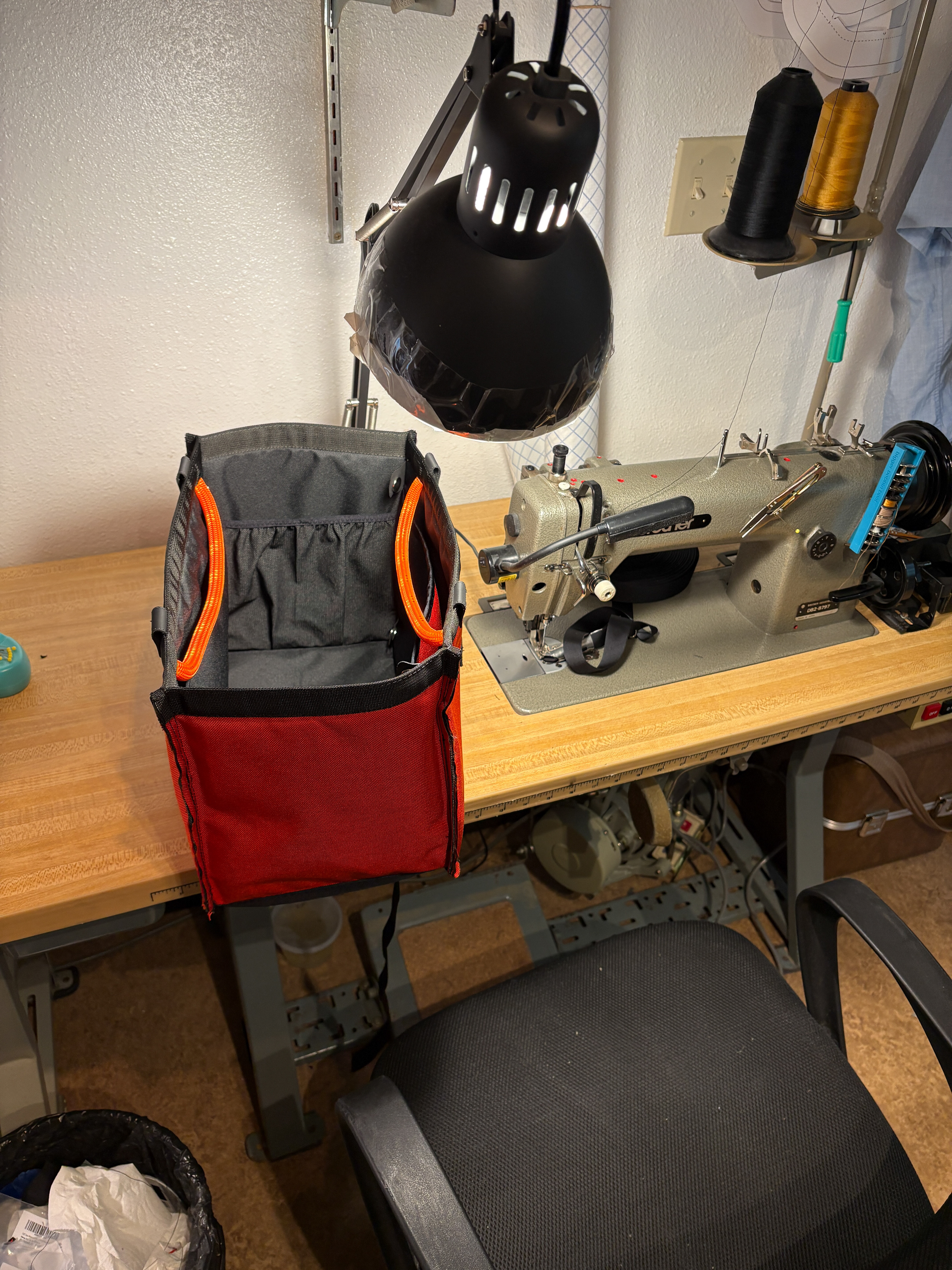
Prototype Construction
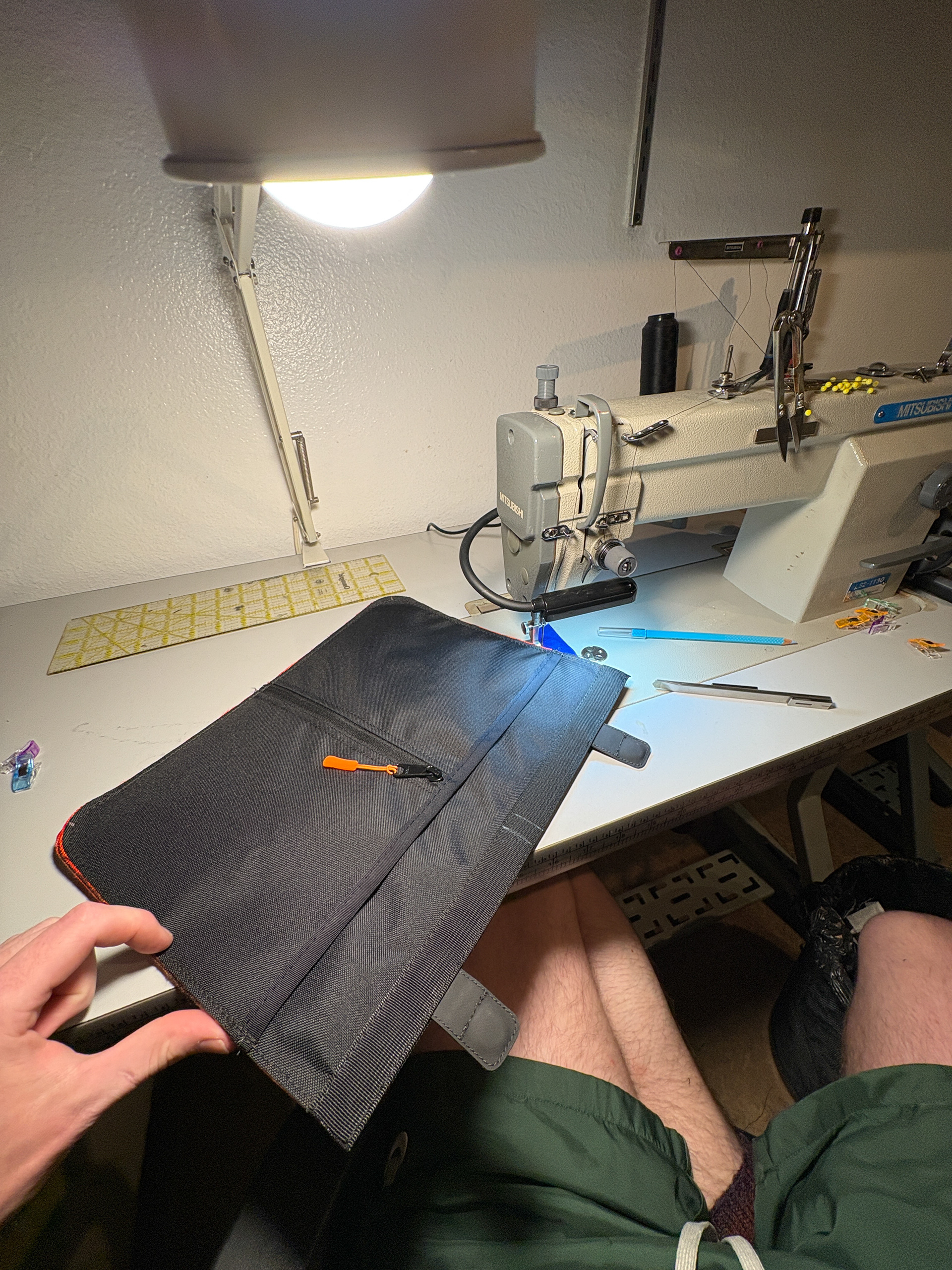
I constructed the prototype using several tools;
- Adobe illustrator for the pattern making (shown above)
- Autometrix drag knife CNC machine to cut all of the fabric panels
- Single needle drop feed lockstitch machine for the majority of the construction
- Double feed walking foot machine with a right angle binding setup for grossgrain for the edge binding on the pockets and to finish the interior seams.

Final product


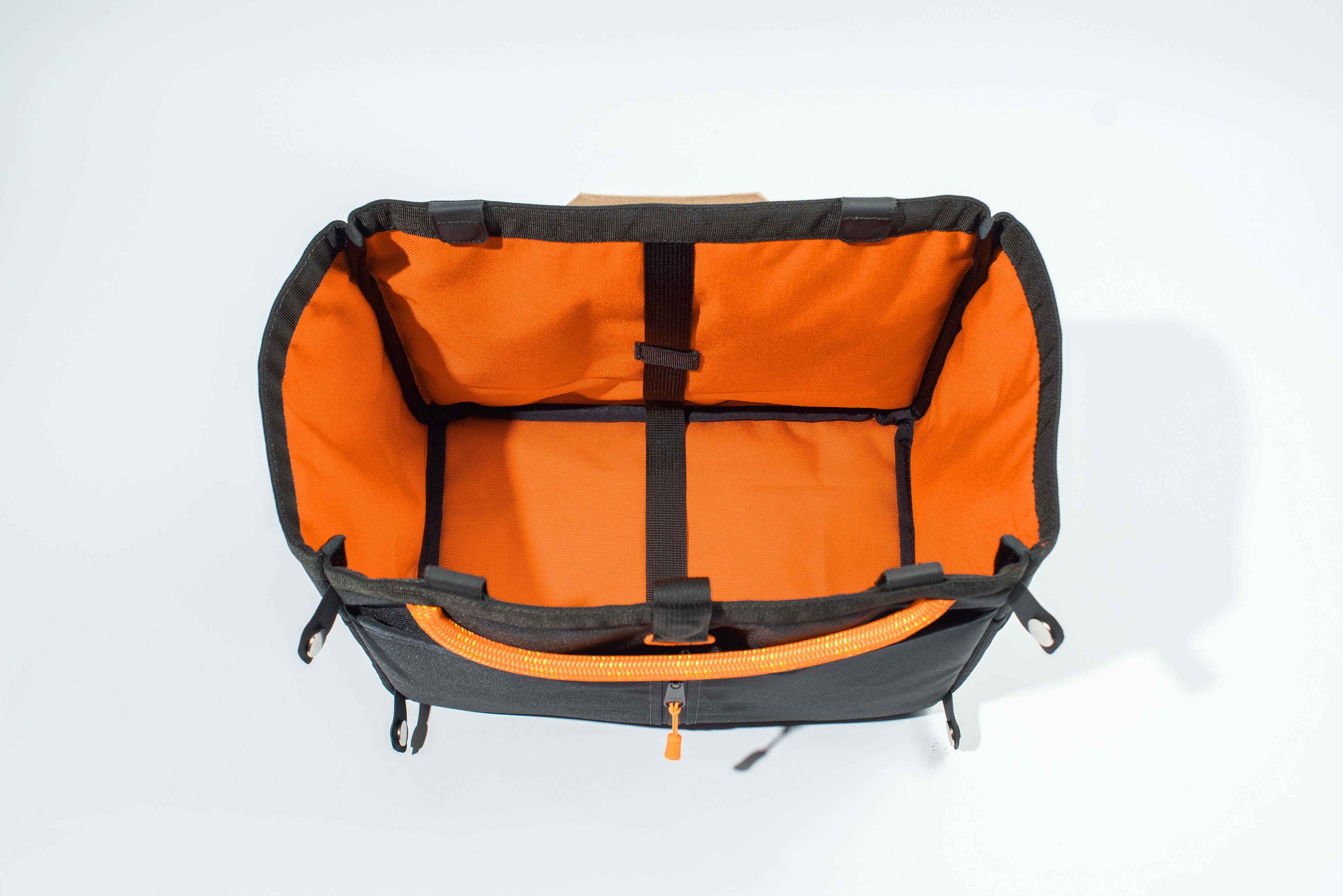
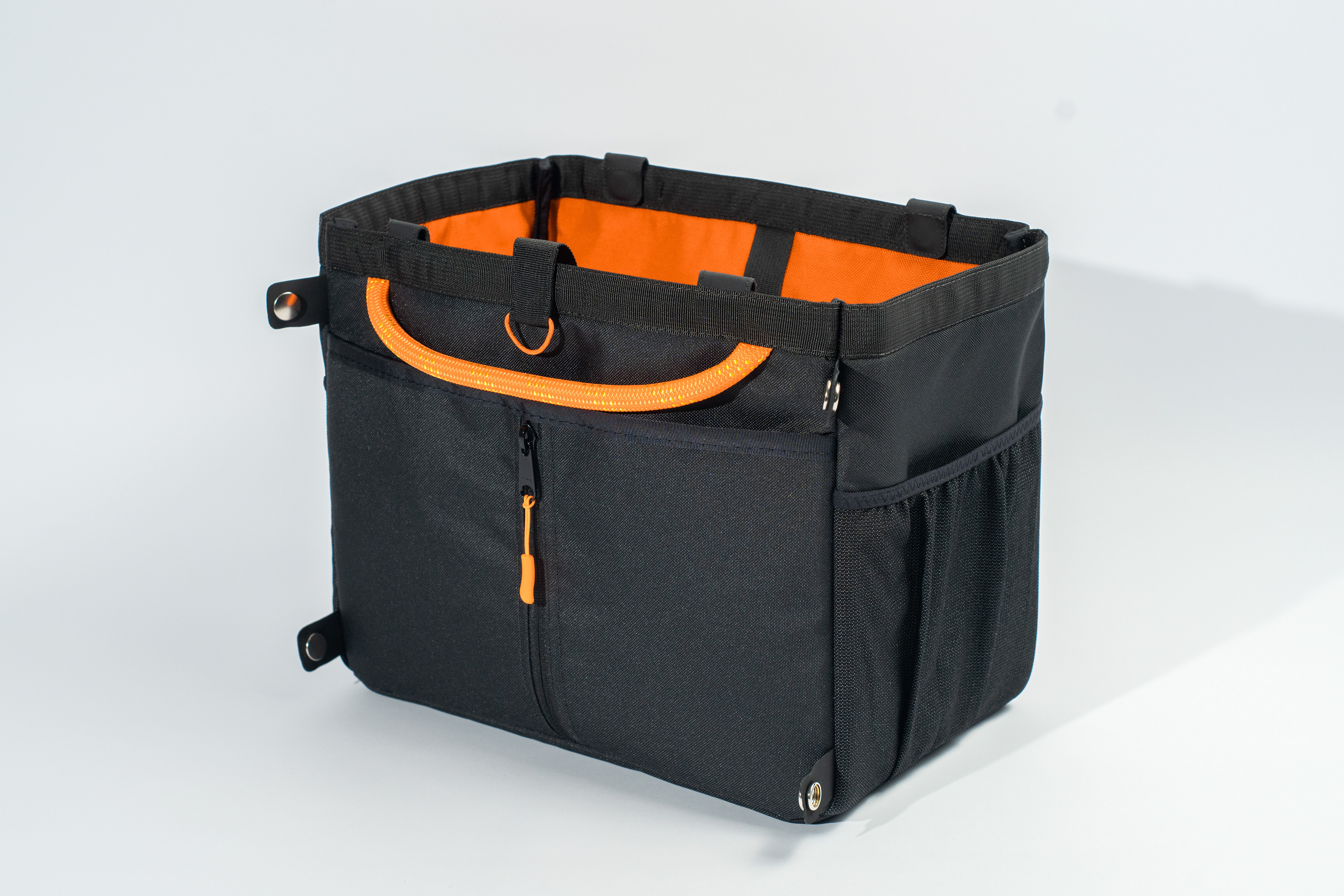
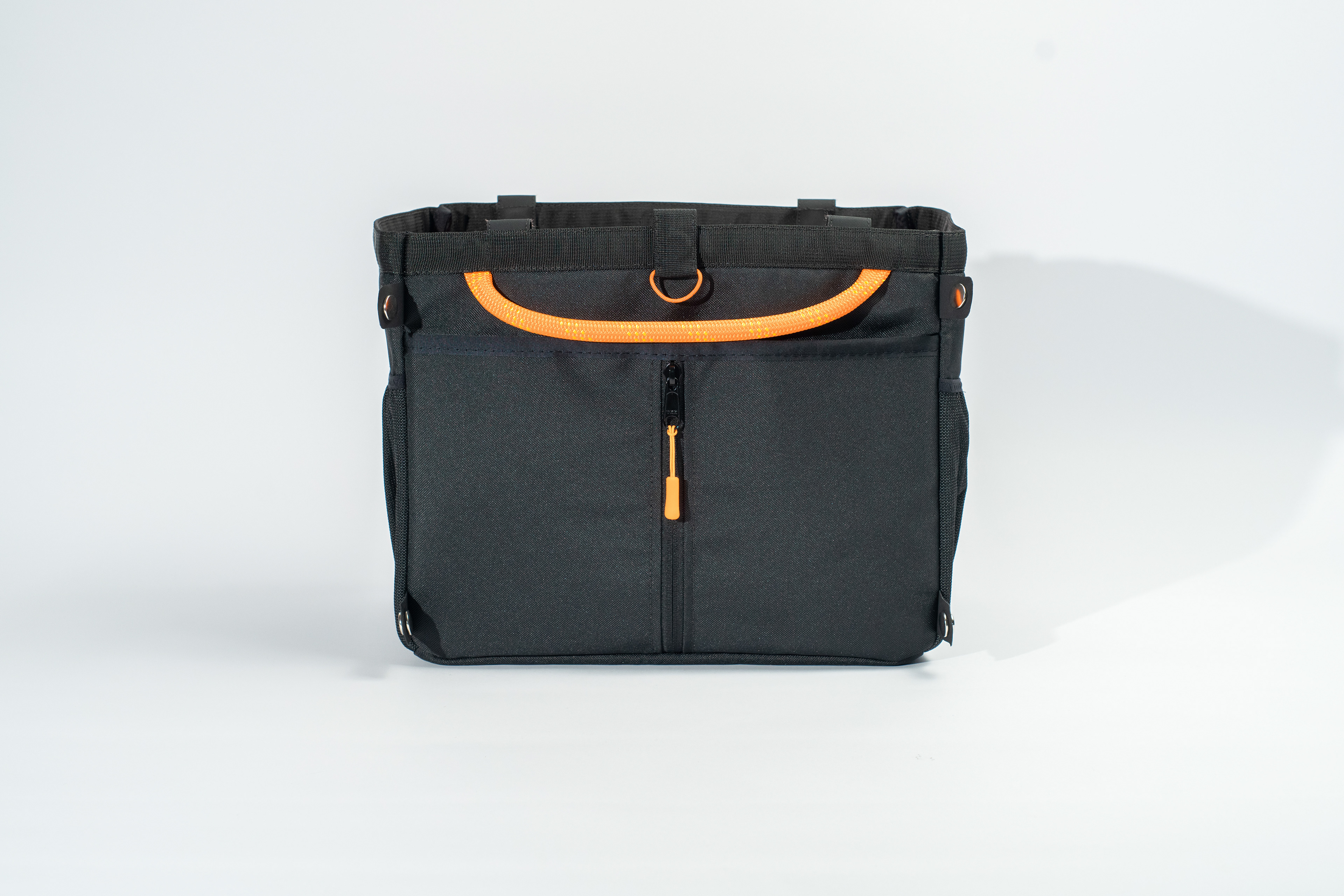
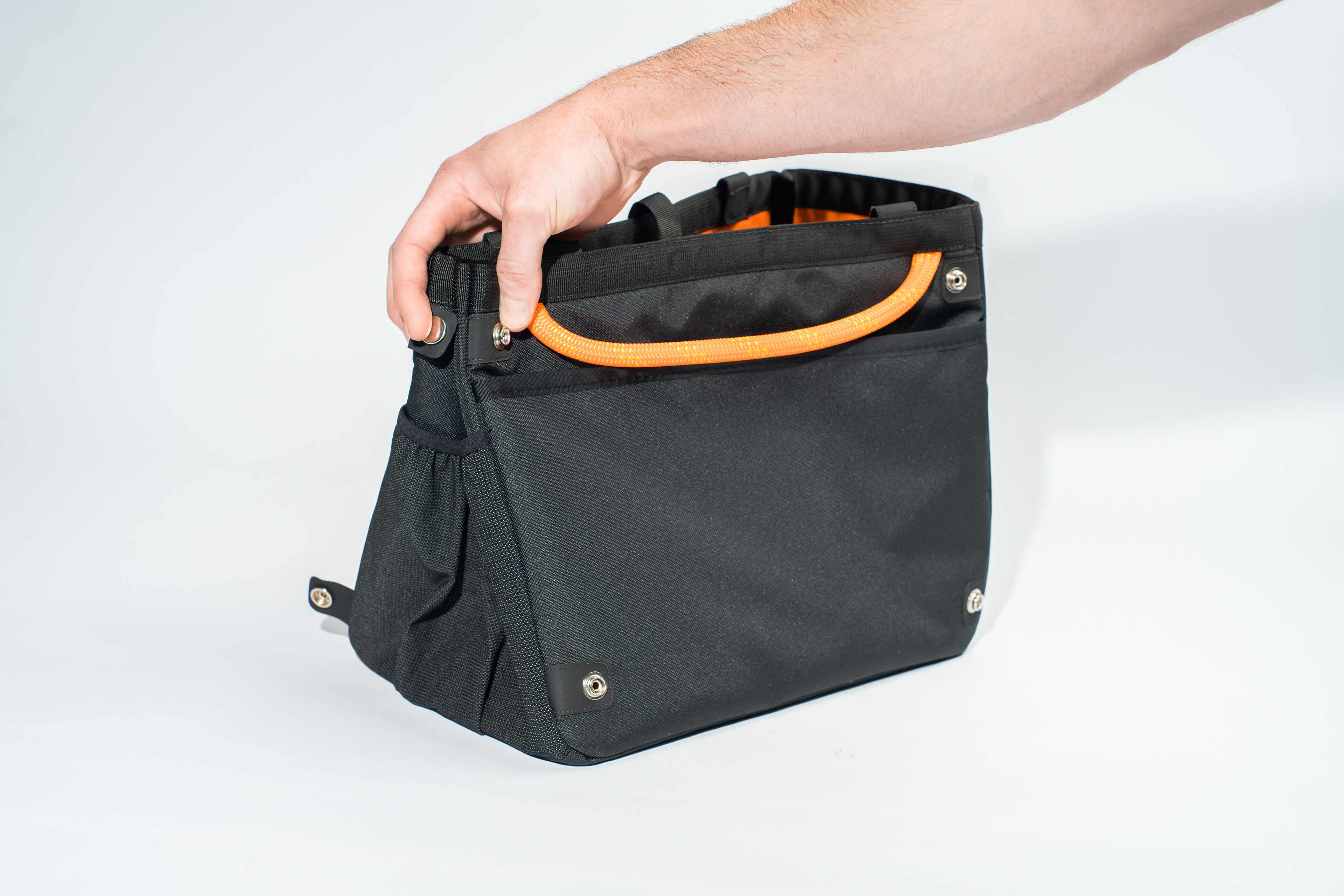
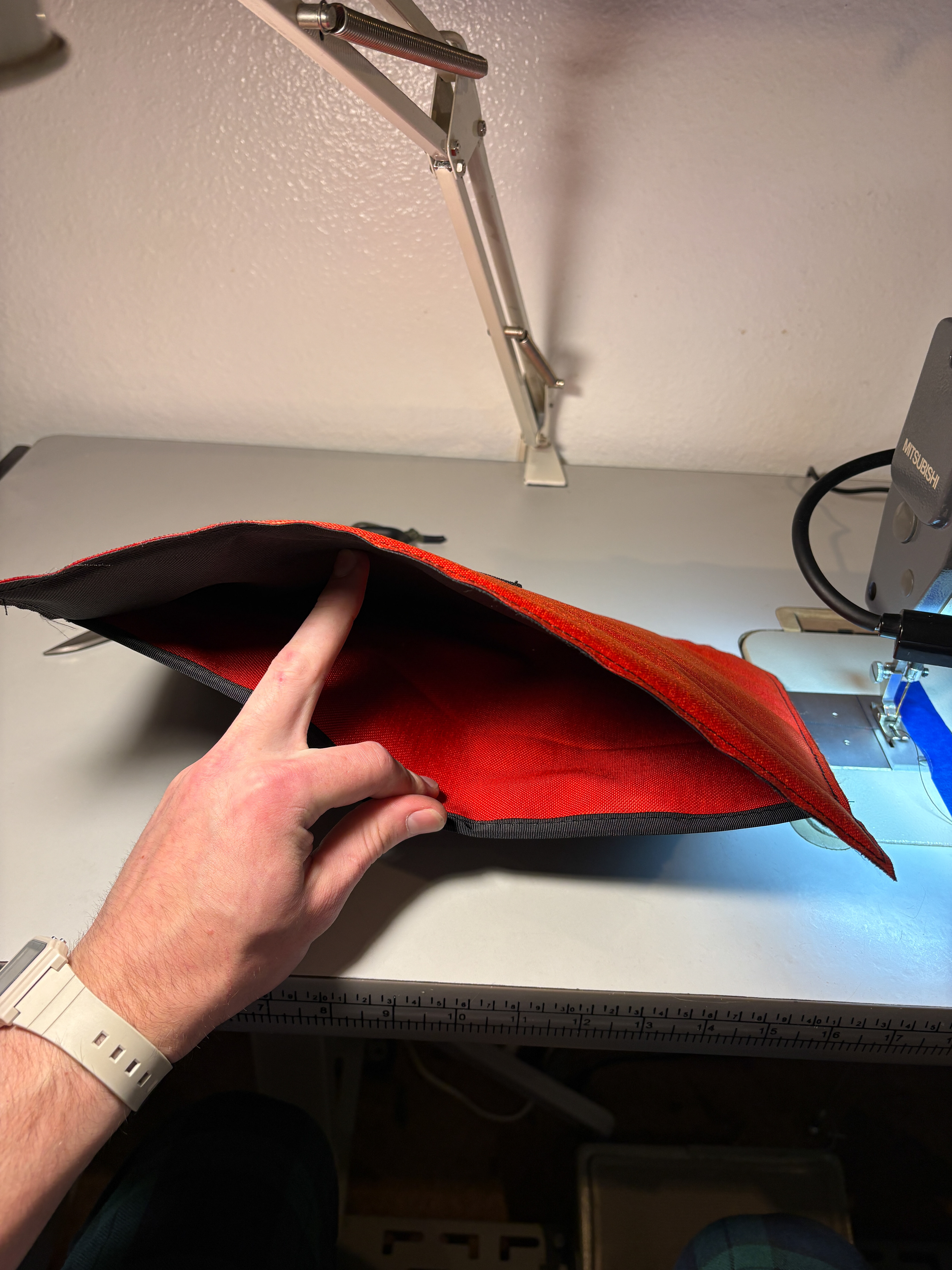
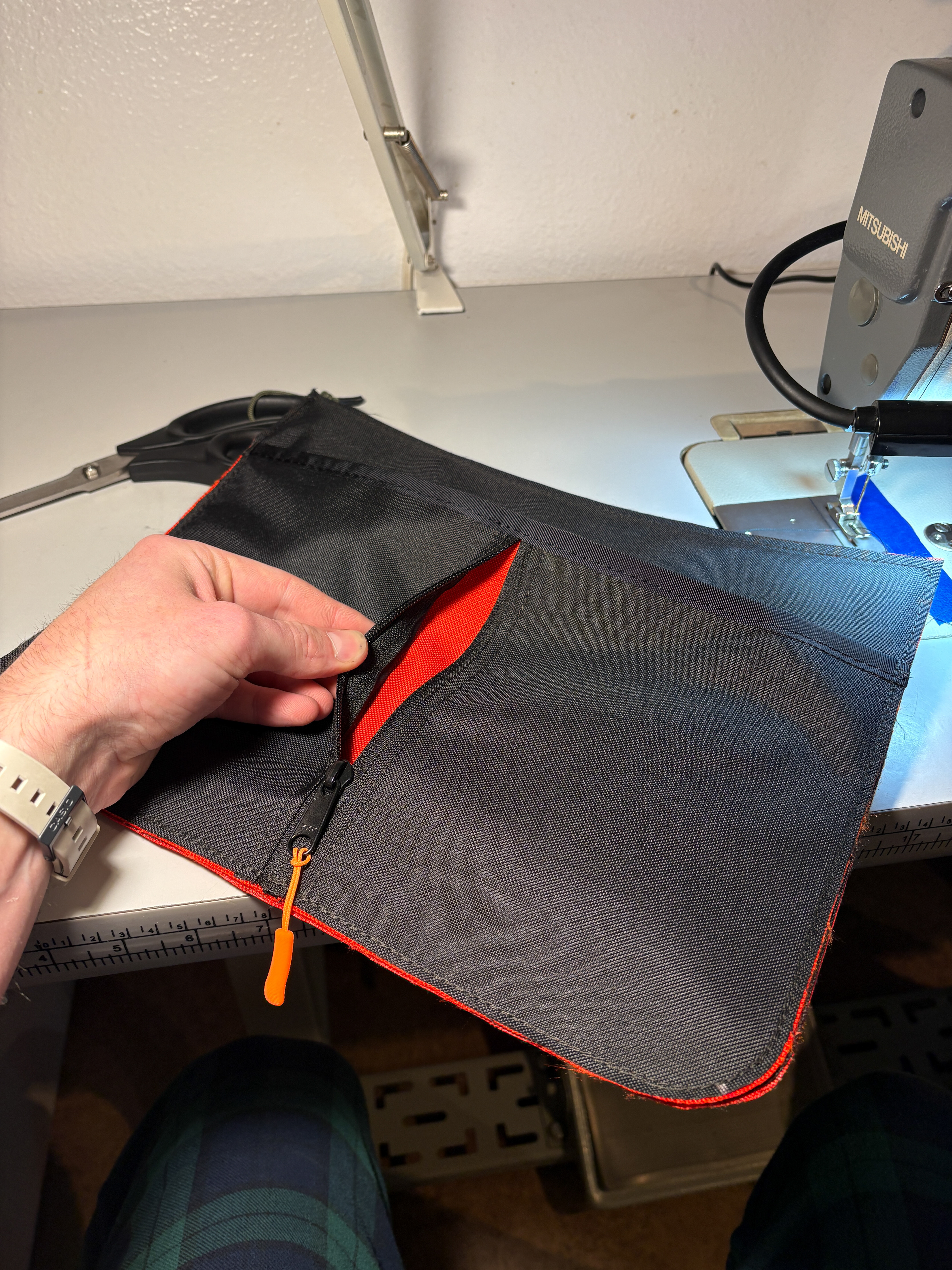
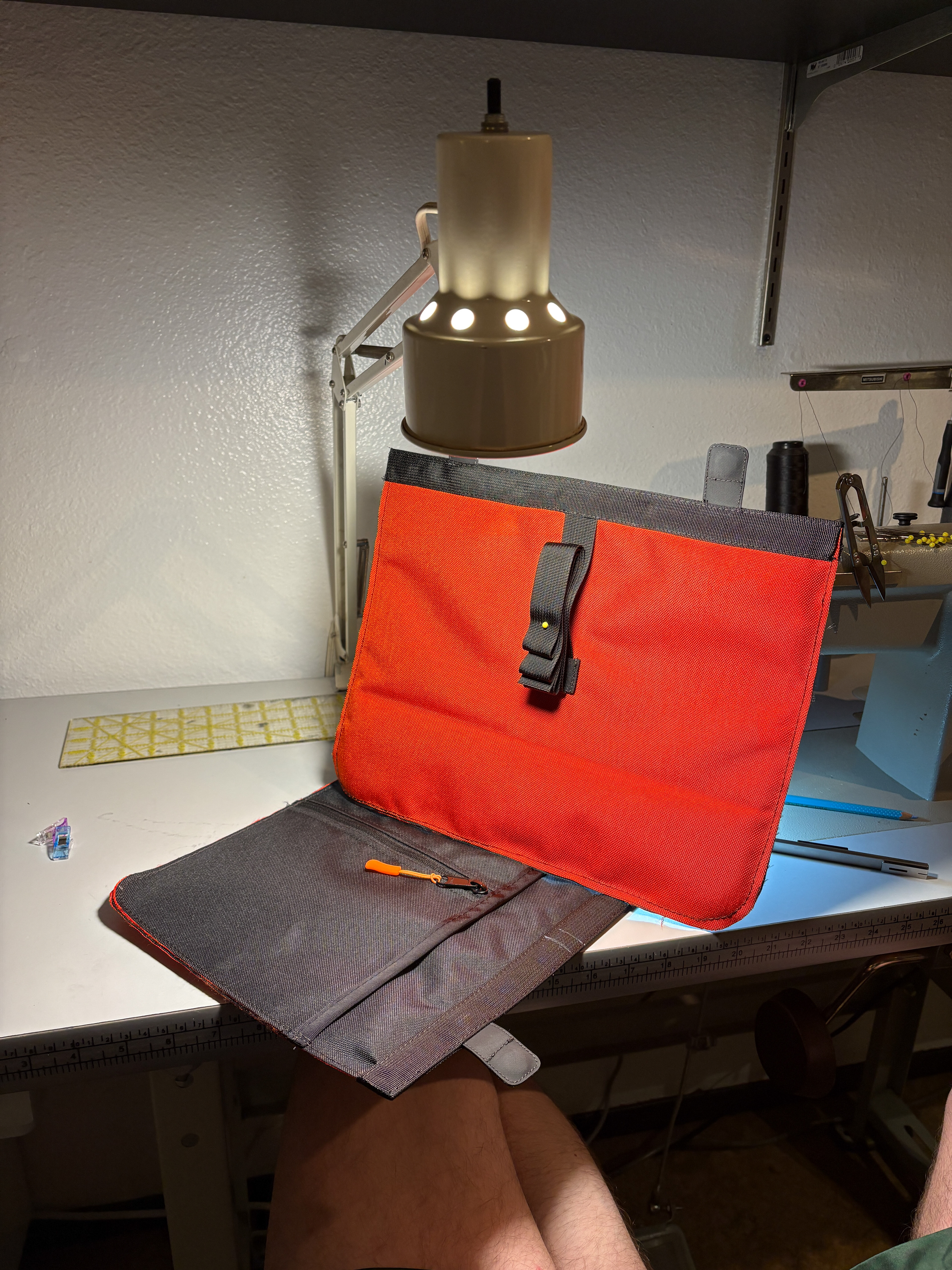
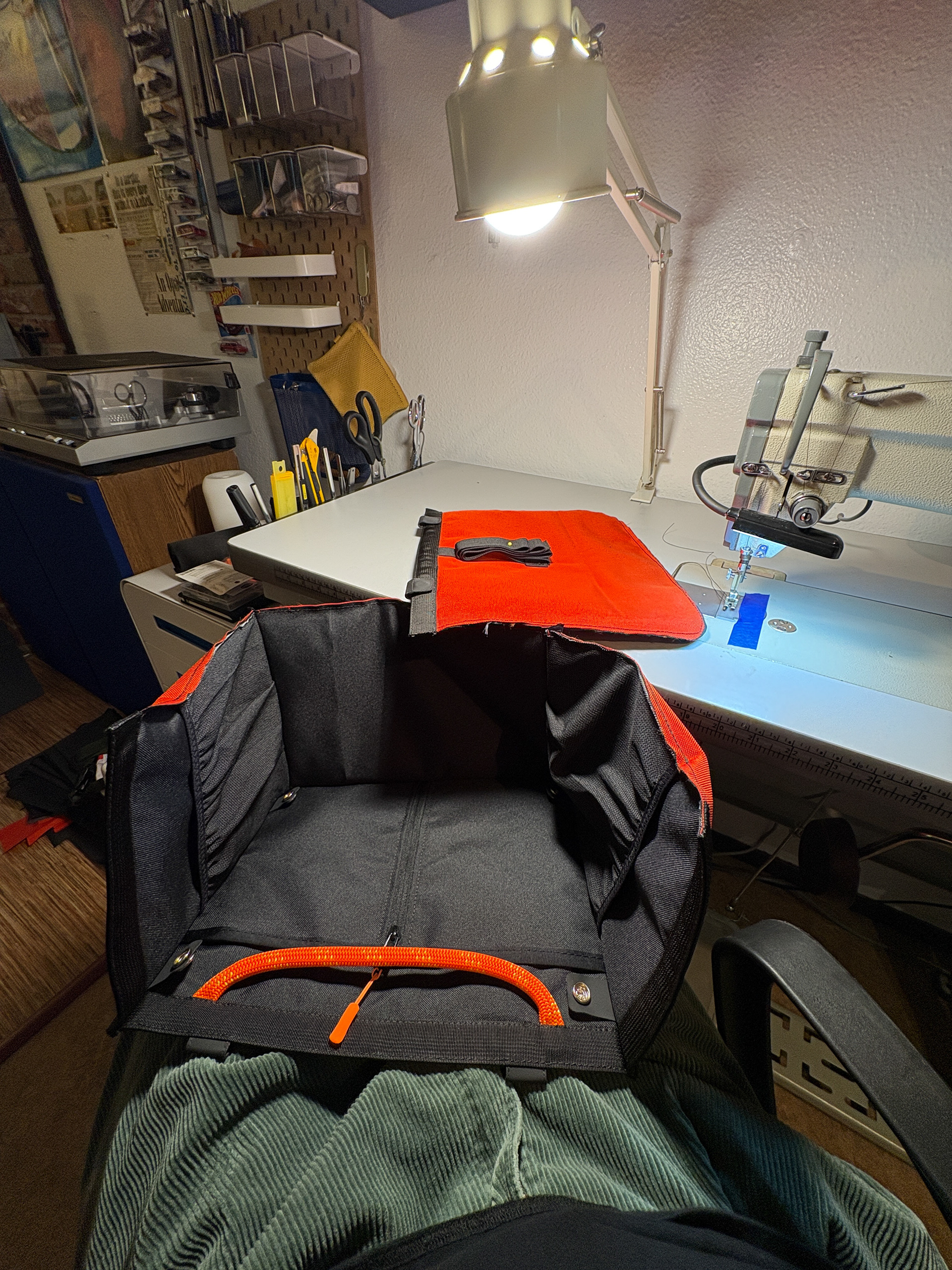
The CabDrop prototype features all of the aesthetic and functional elements present in the final concepts.
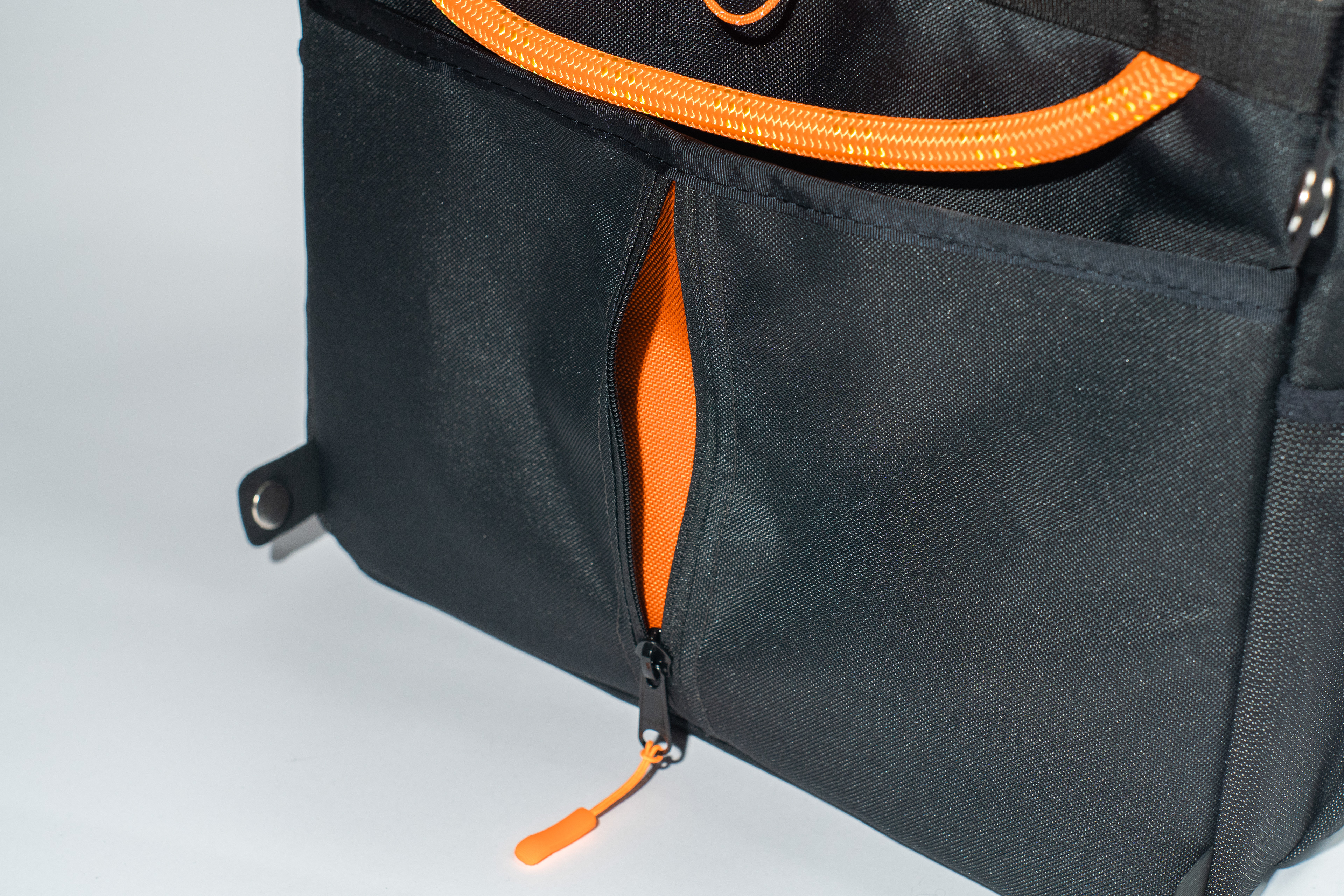
600D Cordura Re-core exterior, 420D PU coated Cordura liner, Ykk #5 zippers, hidden magnets for; pull handle resting position and hypalon liner retainer tabs, heavy climbing rope handle, male and female snap tabs for flat packing and several exterior storage options for various items.
Additional Image showcase
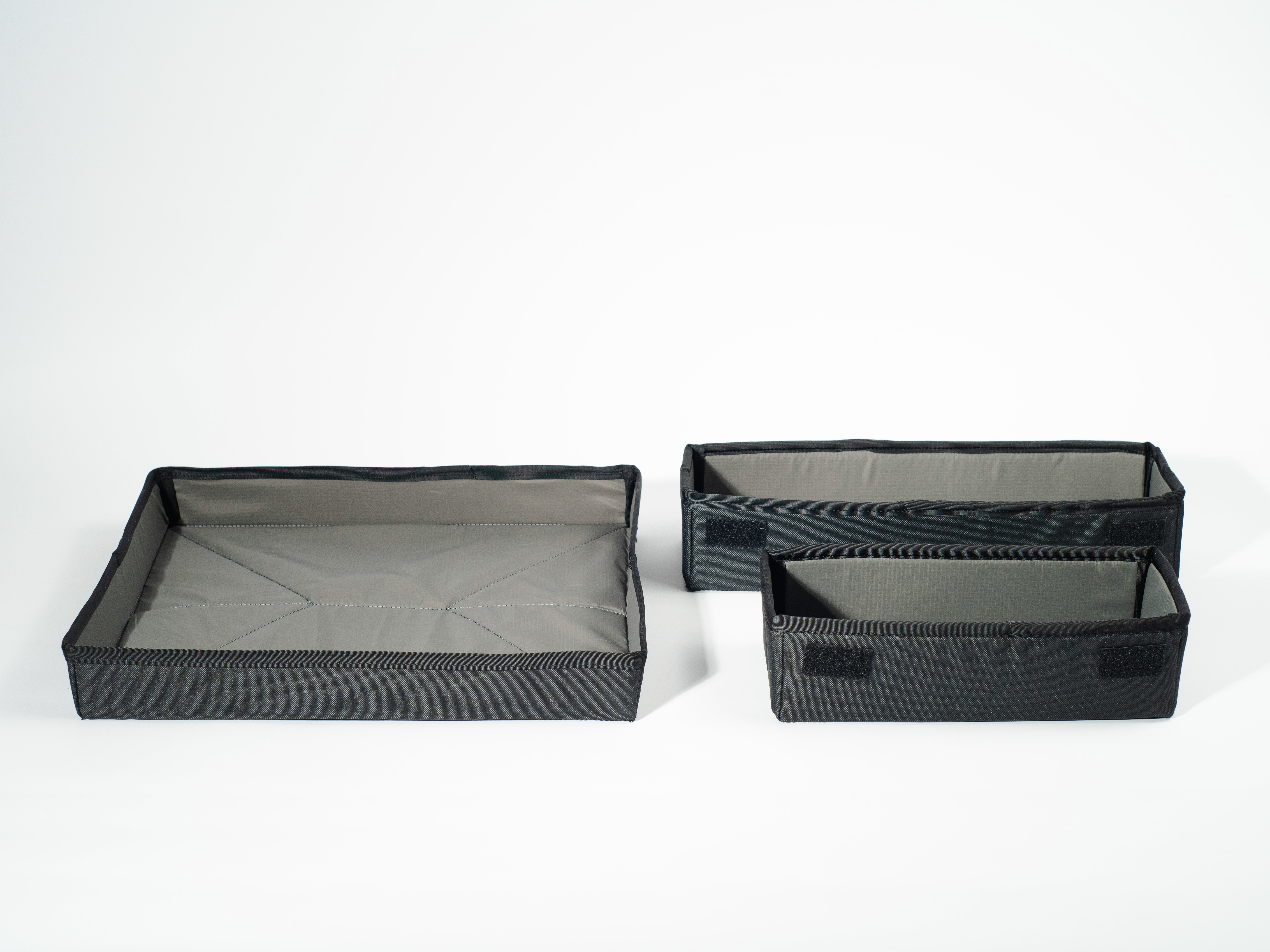
Showcasing the feature set and functionality of the Cabdrop more in depth.